


Hey there, fellow motorcycle enthusiasts! As a supplier of Motorbike Master Cylinders, I've been getting a ton of questions lately about the type of fluid used in these crucial components. So, I thought I'd take a deep dive into this topic and share everything you need to know.

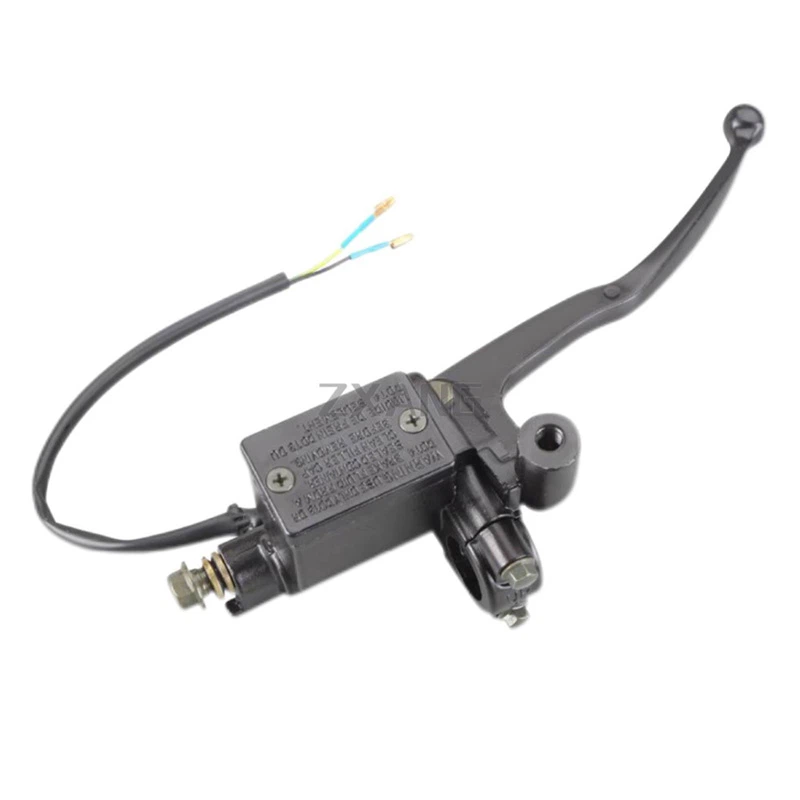
Why Fluid Matters in a Motorbike Master Cylinder
First off, let's talk about why the fluid in a motorbike master cylinder is such a big deal. The master cylinder is like the heart of your bike's braking or clutch system. When you squeeze the brake lever or clutch lever, the master cylinder converts that mechanical force into hydraulic pressure. This pressure is then transmitted through the fluid to the calipers or slave cylinders, which in turn apply the brakes or engage the clutch.
Without the right fluid, this whole process can go haywire. The wrong fluid might not transmit pressure effectively, or it could cause corrosion and damage to the master cylinder and other parts of the system. So, choosing the correct fluid is essential for the safety and performance of your motorcycle.
Types of Fluids Used in Motorbike Master Cylinders
Brake Fluid
Brake fluid is the most common type of fluid used in motorbike master cylinders, especially for the front and rear brake systems. There are several different types of brake fluid, and they're typically classified according to their boiling points and performance characteristics.
- DOT 3 Brake Fluid: This is a glycol - based brake fluid that's widely used in many motorcycles. It has a relatively low cost and decent performance. DOT 3 fluid has a dry boiling point of around 205°C (401°F) and a wet boiling point of about 140°C (284°F). The wet boiling point is important because brake fluid absorbs moisture over time, which can lower its boiling point. If the fluid boils during heavy braking, it can create vapor bubbles, which reduces the effectiveness of the braking system.
- DOT 4 Brake Fluid: DOT 4 is also glycol - based but has a higher boiling point than DOT 3. It has a dry boiling point of around 230°C (446°F) and a wet boiling point of about 155°C (311°F). This makes it a better choice for high - performance motorcycles or those that are used in demanding conditions, such as racing or frequent mountain riding.
- DOT 5.1 Brake Fluid: Another glycol - based option, DOT 5.1 has even higher boiling points than DOT 4. It has a dry boiling point of around 260°C (500°F) and a wet boiling point of about 180°C (356°F). This fluid is often used in high - end motorcycles and those with advanced braking systems.
- DOT 5 Brake Fluid: Unlike the other DOT fluids, DOT 5 is silicone - based. It has a very high boiling point and doesn't absorb moisture. However, it's not compatible with glycol - based fluids, and it can cause issues if mixed with them. Also, it has some drawbacks, such as being more prone to air bubbles and not being as good at lubricating the brake system components.
Clutch Fluid
In most modern motorcycles, the clutch system also uses brake fluid. The same principles apply as with the brake system - the fluid transmits the pressure from the master cylinder to the slave cylinder to engage and disengage the clutch. So, you can use the same types of DOT brake fluids (DOT 3, DOT 4, or DOT 5.1) for the clutch master cylinder as you do for the brake master cylinders.
Choosing the Right Fluid for Your Motorbike
So, how do you know which fluid is right for your motorcycle? Well, the first thing you should do is check your motorcycle's owner's manual. The manufacturer will specify the type of fluid that's recommended for your bike's master cylinders.
If you're using your motorcycle for normal, everyday riding, DOT 3 or DOT 4 brake fluid is usually sufficient. But if you're a performance rider or you put your bike through a lot of stress, you might want to consider using DOT 5.1 brake fluid.
It's also important to note that you should never mix different types of brake fluid. Mixing glycol - based fluids (DOT 3, DOT 4, DOT 5.1) with silicone - based DOT 5 fluid can cause serious problems, such as corrosion and reduced braking performance.
Our Motorbike Master Cylinders and Fluid Compatibility
At our company, we offer a range of high - quality Motorbike Master Cylinders, including the Motorcycle Master Cylinder ZX - 1049, Motorcycle Brake Lever And Master Cylinder, and Motorcycle Master Cylinder ZX - 1063. All of our master cylinders are designed to be compatible with the most common types of brake and clutch fluids.
We've done extensive testing to ensure that our master cylinders work well with DOT 3, DOT 4, and DOT 5.1 brake fluids. This means that you can choose the fluid that best suits your riding style and needs, and you can be confident that it will work properly with our master cylinders.
Maintaining Your Motorbike Master Cylinder and Fluid
Once you've chosen the right fluid for your motorbike master cylinder, it's important to maintain it properly. Here are some tips:
- Check the Fluid Level Regularly: You should check the fluid level in your master cylinders at least once a month. If the level is low, it could indicate a leak in the system, so you should have it checked by a professional.
- Change the Fluid Periodically: Brake fluid should be changed every 1 - 2 years, depending on your riding conditions. Over time, the fluid absorbs moisture, which can lower its boiling point and reduce its effectiveness. Changing the fluid regularly will help ensure that your braking and clutch systems work properly.
- Keep the Fluid Clean: Make sure that the fluid in your master cylinders is clean and free of debris. When you're adding or changing the fluid, use a clean funnel and avoid getting any dirt or contaminants into the system.
Contact Us for Your Motorbike Master Cylinder Needs
If you're in the market for a new Motorbike Master Cylinder or you have any questions about fluid compatibility, we're here to help. Our team of experts has years of experience in the motorcycle industry, and we can provide you with the information and support you need.
Whether you're a casual rider or a hardcore performance enthusiast, we have the right master cylinder for your bike. So, don't hesitate to reach out to us to discuss your options and start the procurement process. We look forward to working with you to keep your motorcycle running smoothly and safely.
References
- Motorcycle owner's manuals
- Brake fluid manufacturers' technical specifications
- Industry standards and guidelines for motorcycle hydraulic systems


