


Hey there, fellow motorcycle enthusiasts! As a supplier of Motorcycle Front Master Cylinders, I often get asked about what those numbers and letters in the specifications actually mean. It can be a bit confusing at first glance, but once you break it down, it's not so bad. So, let's dive in and decode these specs together.
Understanding the Basics
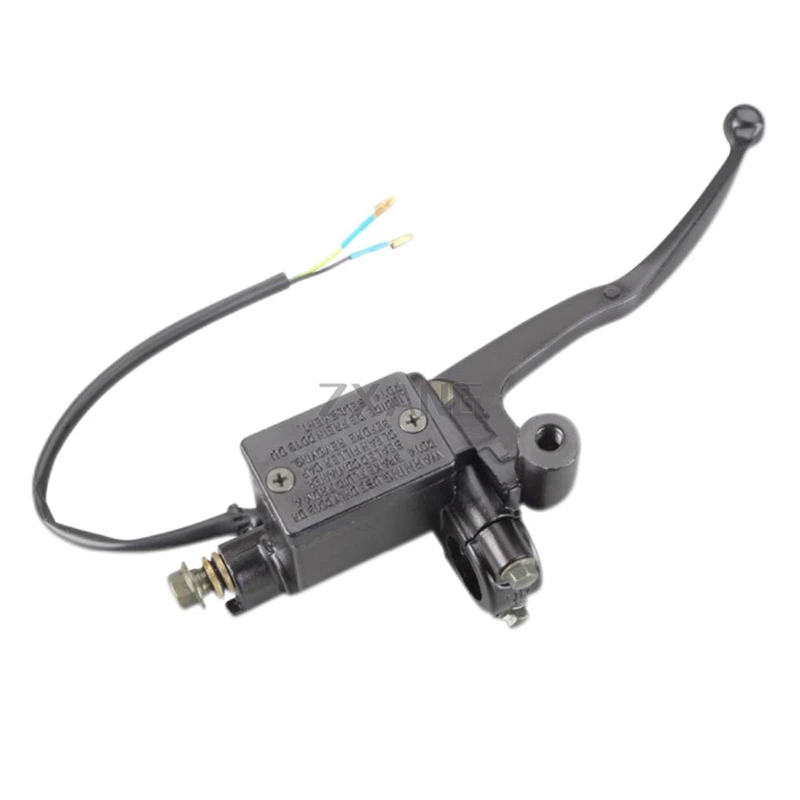
First off, let's talk about what a front master cylinder does. It's a crucial part of your motorcycle's braking system. When you squeeze the brake lever, the master cylinder converts that mechanical force into hydraulic pressure. This pressure then gets transferred through the brake lines to the calipers, which in turn clamp down on the brake discs to slow or stop your bike.
Now, onto those numbers and letters in the specs. They're like a secret code that tells you important details about the master cylinder.
The Bore Size
One of the most important numbers you'll see is the bore size. It's usually measured in millimeters (mm). The bore size refers to the diameter of the piston inside the master cylinder. A larger bore size means more fluid can be displaced with each stroke of the piston. This results in more hydraulic pressure being generated, which can lead to stronger braking power.

For example, if you have a master cylinder with a 16mm bore size and another with a 19mm bore size, the 19mm one will generally provide more braking force. However, it also means you'll need to apply more force on the brake lever to get the same amount of movement as the 16mm one. So, it's a trade-off between braking power and lever effort.
The Stroke Length
Another number you might come across is the stroke length. This is the distance the piston travels inside the master cylinder when you squeeze the brake lever. A longer stroke length allows for more fluid to be pushed out of the master cylinder, which can also increase braking power. But again, it might require more lever travel.
Some riders prefer a shorter stroke length for a more responsive feel, while others like a longer one for a smoother, more progressive braking experience. It really depends on your personal riding style and preferences.
The Reservoir Capacity
The reservoir capacity is also an important spec. It tells you how much brake fluid the master cylinder's reservoir can hold. A larger reservoir means you'll have more fluid available, which can help prevent the system from running dry during heavy braking. This is especially important for high-performance motorcycles or those used in racing.
The Mounting Style
You'll often see letters or codes that indicate the mounting style of the master cylinder. This is important because it determines how the master cylinder attaches to your motorcycle. There are different mounting styles for different makes and models of bikes, so you need to make sure you get the right one that fits your bike.
For example, some master cylinders are designed to be mounted on the handlebars, while others are meant to be mounted on the triple clamp. The mounting style can also affect the ergonomics of the brake lever, so it's something to consider when choosing a master cylinder.
The Compatibility Codes
In addition to the numbers, you'll also see letters or codes that indicate the compatibility of the master cylinder with other components of your motorcycle's braking system. These codes can tell you if the master cylinder is compatible with certain brake calipers, brake lines, or brake pads.
For instance, if you have a specific brand or model of calipers on your bike, you'll want to make sure the master cylinder you choose is compatible with them. Otherwise, you might experience issues with braking performance or even damage to the components.
Real-World Examples
Let's take a look at some real-world examples of master cylinder specifications. Suppose you're looking at the Motorcycle Master Cylinder ZX-1064. The "ZX-1064" might be a model number assigned by the manufacturer. It could also contain some hidden information about the specific features or design of the master cylinder.
The specs might list a bore size of 18mm, a stroke length of 20mm, and a reservoir capacity of 50ml. Based on what we've learned, we know that the 18mm bore size will provide a good balance between braking power and lever effort. The 20mm stroke length will give a decent amount of fluid displacement, and the 50ml reservoir capacity should be sufficient for most riding conditions.
Another example is the Motorcycle Brake Lever And Master Cylinder. This product might come with a specific mounting style that's designed to fit a certain type of motorcycle. The specs will tell you all the details you need to know to make sure it's the right fit for your bike.
The Importance of Choosing the Right Master Cylinder
Choosing the right front master cylinder for your motorcycle is crucial for your safety and riding experience. A master cylinder that's not properly matched to your bike's braking system can lead to poor braking performance, which can be dangerous.
On the other hand, a well-chosen master cylinder can enhance your bike's braking power, improve the feel of the brake lever, and make your rides more enjoyable. So, take the time to understand the specs and choose the master cylinder that's right for you.
Conclusion
In conclusion, the numbers and letters in a motorcycle front master cylinder's specifications are like a roadmap that tells you everything you need to know about the product. By understanding what these specs mean, you can make an informed decision when choosing a master cylinder for your bike.
If you're in the market for a new Motorcycle Front Master Cylinder, don't hesitate to reach out. We're here to help you find the perfect master cylinder that meets your needs and preferences. Whether you're a casual rider or a professional racer, we have a wide range of options to choose from.
So, if you have any questions or want to discuss your options, feel free to get in touch. We're always happy to assist you in your search for the ideal Motorcycle Front Master Cylinder.
References
- Motorcycle Mechanics Handbook
- Various motorcycle manufacturers' technical manuals


