


As a seasoned supplier of Motorcycle Front Master Cylinders, I've witnessed firsthand the challenges that winter can pose to these crucial components. The cold weather can be particularly harsh, leading to a variety of issues that range from minor malfunctions to complete system failures. In this blog post, I'll share practical tips on how you can safeguard your motorcycle front master cylinder during the frigid months.
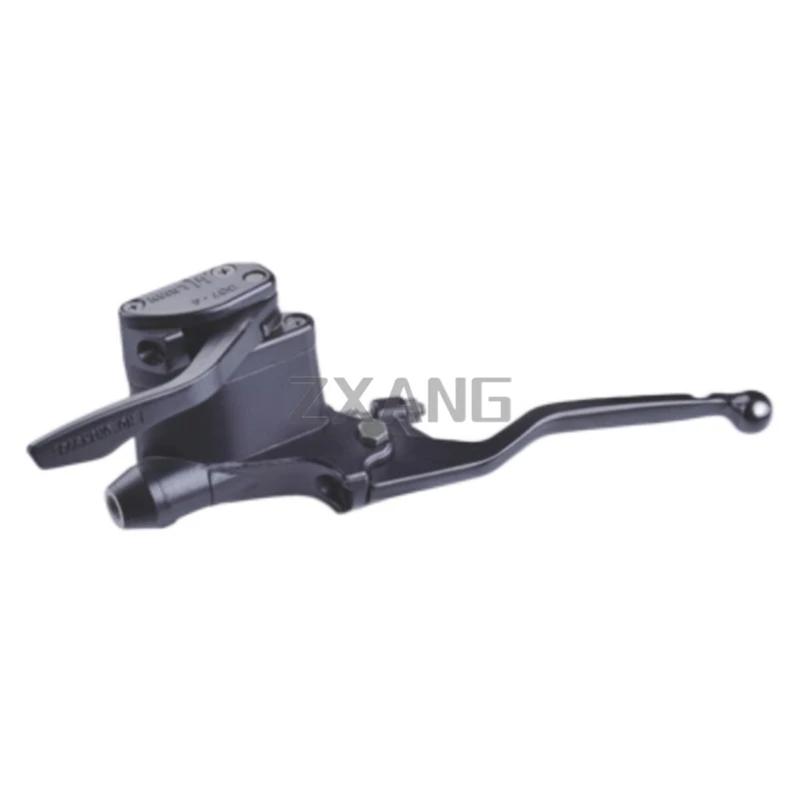

Understanding the Impact of Cold Weather on Motorcycle Front Master Cylinders
Before delving into protective measures, it's essential to understand why cold weather is potentially detrimental to a Master Cylinder On Motorcycle. The master cylinder operates based on the movement of brake fluid within a confined space. In cold conditions, the brake fluid's viscosity increases significantly. A higher - viscosity fluid moves sluggishly, which in turn affects the efficiency of the braking system.
Moreover, moisture can accumulate in the brake lines and the master cylinder. As the temperature drops below freezing, this moisture can freeze, block the brake lines, and cause internal damage to the master cylinder. Colder air can also lead to the contraction of metal parts in the master cylinder, potentially causing leaks and a loss of braking performance.
Regular Brake Fluid Checks and Replacements
One of the most basic yet effective ways to protect your motorcycle front master cylinder in cold weather is to maintain the quality of the brake fluid. Brake fluid is hygroscopic, which means it absorbs moisture over time. As the moisture content increases, the fluid's boiling point decreases, and its performance in cold weather is severely compromised.
Start by checking the brake fluid level regularly. You should follow the manufacturer's guidelines on the correct fluid level. If the level is low, it could indicate a leak in the system, which should be addressed immediately.
Replace the brake fluid at recommended intervals. For most motorcycles, a brake fluid change once a year is a good rule of thumb, or more frequently if you often ride in harsh conditions. When changing the fluid, make sure to use a high - quality brake fluid that is suitable for cold temperatures. Look for fluids that have a high boiling point and low viscosity even in cold weather.
Keep the Master Cylinder Clean
Dirt, grime, and road salt can all find their way onto the motorcycle front master cylinder, especially during the winter when the roads are treated with salt and de - icing agents. These contaminants can cause abrasion, corrosion, and blockages in the master cylinder and its associated components.
To prevent this, regularly clean the master cylinder. Use a soft cloth and a gentle cleaner to wipe down the exterior of the cylinder. Be careful not to get any cleaner inside the cylinder, as this can contaminate the brake fluid. Pay special attention to the area around the reservoir cap and the brake lines, as these are common areas where dirt can accumulate.
Protect the Master Cylinder from the Elements
When not in use, it's a good idea to provide additional protection for your motorcycle's front master cylinder. You can use a motorcycle cover that is specifically designed to protect against the elements. A good cover will keep snow, ice, and moisture off the master cylinder and the rest of the motorcycle.
If possible, store your motorcycle in a heated garage during the winter. This will help maintain a more stable temperature around the master cylinder and prevent the brake fluid from thickening and the metal parts from contracting due to extreme cold. If a heated garage is not available, an insulated storage shed can also offer some protection.
Insulate the Brake Lines
The brake lines play a crucial role in the proper functioning of the master cylinder. In cold weather, insulating the brake lines can help maintain the temperature of the brake fluid and ensure smooth operation. There are several options for insulating brake lines, including using specially designed brake line insulation sleeves.
These sleeves are made from materials that have good thermal insulation properties. They can be easily installed over the existing brake lines. By insulating the brake lines, you can reduce the rate of heat loss from the brake fluid, keeping it at an optimal viscosity for better braking performance.
Regular Inspections
Frequent inspections are essential for identifying any problems with the motorcycle front master cylinder before they become serious. Check the master cylinder for signs of leaks, such as wet spots around the cylinder or on the brake lines. A leaking master cylinder can lead to a loss of braking power, which is extremely dangerous.
Inspect the reservoir for cracks or damage. A cracked reservoir can allow air and moisture to enter the system, affecting the performance of the brake fluid. Also, check the seals and rubber components. Cold weather can cause rubber to become brittle, leading to leaks and reduced sealing effectiveness. If you notice any problems during your inspections, it's important to address them promptly.
Upgrade to a Cold - Weather Compatible Master Cylinder
If you live in an area with extremely cold winters, you might consider upgrading to a master cylinder that is specifically designed for cold - weather use. Our company offers high - quality Motorcycle Master Cylinder ZX - 1046 and Motorcycle Master Cylinder models that are engineered to perform well in low - temperature conditions. These master cylinders are made with materials that can withstand the contraction and expansion associated with cold weather and are filled with brake fluid that has excellent cold - weather properties.
Lubrication
Applying the right lubrication to the moving parts of the master cylinder can help prevent them from seizing up in cold weather. Use a lubricant that is designed for use in automotive or motorcycle brake systems. Be careful not to over - lubricate, as excess lubricant can attract dirt and debris. Focus on the areas where the piston moves within the cylinder and the linkage points.
Warm - Up Your Motorcycle
Before setting off on a cold winter ride, give your motorcycle a few minutes to warm up. This allows the engine and the brake system to reach a more operating temperature. As the motorcycle warms up, the brake fluid will become more fluid, and the metal parts will expand to their normal size. This simple step can significantly improve the performance of the front master cylinder and the overall braking system.
Contact Us for Your Master Cylinder Needs
Protecting your motorcycle front master cylinder in cold weather is essential for your safety and the longevity of your braking system. As a leading supplier of high - quality Motorcycle Front Master Cylinders, we are dedicated to providing you with the best products and advice. Whether you need a new master cylinder for the winter, or simply want to learn more about maintaining your current one, feel free to reach out. Our team of experts is always ready to assist you with all your inquiries and help you make the right choice for your motorcycle.
References
- Motorcycle Service Manuals: Various manufacturers' manuals provide detailed information on the maintenance and care of motorcycle front master cylinders.
- Automotive Brake System Guides: General guides on automotive brake systems offer insights into the principles of master cylinder operation and protection in cold weather.


