


When it comes to motorcycle safety, the braking system is of utmost importance. The brake pump, a critical component in this system, plays a vital role in ensuring effective braking. As a Brake Pump Motorcycle supplier, I often encounter customers who are confused about the differences between OEM (Original Equipment Manufacturer) and aftermarket motorcycle brake pumps. In this blog post, I will delve into these differences to help you make an informed decision when choosing a brake pump for your motorcycle.
Definition and Origin
OEM brake pumps are the ones that are originally installed on a motorcycle by the motorcycle manufacturer. These are designed and produced in collaboration with or by the same manufacturer that assembles the whole motorcycle. They are a perfect fit for the specific make and model of the motorcycle as they are created according to the exact specifications of the vehicle.
On the other hand, aftermarket brake pumps are produced by third - party manufacturers. These companies are not directly affiliated with the original motorcycle brand. Aftermarket manufacturers aim to create products that can replace the OEM components, either by providing a similar function or by offering enhanced performance.
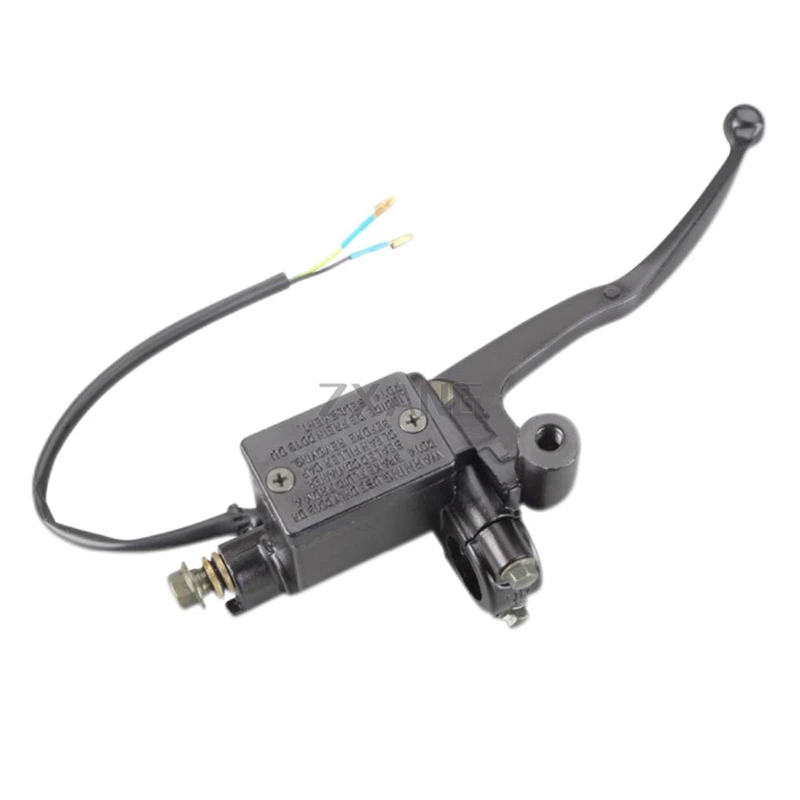

Quality and Compatibility
Quality
OEM brake pumps are generally associated with high - quality standards. Motorcycle manufacturers are very strict about the components they use in their vehicles to ensure safety, reliability, and performance. They conduct rigorous testing on the OEM brake pumps to meet industry regulations and their own internal quality control measures. For example, they test for factors such as pressure resistance, durability under various weather conditions, and long - term reliability.
Aftermarket brake pumps can vary widely in terms of quality. Some well - known aftermarket manufacturers invest heavily in research and development, use high - grade materials, and follow strict production processes. These aftermarket products can offer quality that is on par with or even better than OEM pumps in some cases. However, there are also many low - quality aftermarket options available in the market. These may be made from inferior materials, have poor manufacturing tolerances, and may not perform well under high - stress situations.
Compatibility
OEM brake pumps are, by design, perfectly compatible with the motorcycle for which they are intended. They integrate seamlessly with other components of the braking system, such as the brake lines, calipers, and the overall hydraulic system. This means that the installation process is usually straightforward and there is less risk of compatibility issues.
Aftermarket brake pumps can also be compatible with a wide range of motorcycles. Many aftermarket manufacturers offer universal or model - specific brake pumps. However, finding the right aftermarket pump to fit a particular motorcycle can be more challenging. You need to ensure that the dimensions, connection points, and hydraulic specifications of the aftermarket pump match those of your motorcycle. Sometimes, additional modifications or adapters may be required for proper installation.
Performance
Braking Feel
OEM brake pumps are designed to provide a braking feel that is consistent with the overall character of the motorcycle. They are calibrated to offer a certain level of pedal or lever effort and feedback, which is usually in line with the intended riding style of the motorcycle. For instance, a sport - oriented motorcycle may have an OEM brake pump that provides a more aggressive and responsive braking feel, while a touring motorcycle may have a softer and more progressive feel.
Aftermarket brake pumps can offer a variety of braking feels. Some aftermarket pumps are designed to enhance the braking performance by providing a more direct and powerful feel. For riders who are looking for a more aggressive braking experience, these aftermarket options can be very appealing. Others may focus on improving the modulation of the brakes, allowing for more precise control during braking.
Braking Power
In terms of raw braking power, both OEM and high - quality aftermarket brake pumps can be effective. OEM pumps are designed to meet the braking requirements of the motorcycle they are installed on. However, some aftermarket brake pumps are engineered to provide increased braking force. This can be beneficial for motorcycles that have been modified, such as those with larger wheels or more powerful engines, as they may require additional braking power to stop safely.
Cost
Purchase Price
OEM brake pumps are generally more expensive than aftermarket ones. The high cost of OEM products can be attributed to several factors. Firstly, the research and development costs associated with creating the brake pump as part of the overall motorcycle design are factored into the price. Secondly, the brand value of the motorcycle manufacturer also adds to the cost.
Aftermarket brake pumps, on the other hand, are often more cost - effective. Third - party manufacturers can produce these pumps at a lower cost due to factors such as different production methods, economies of scale, and less expensive branding. This makes aftermarket brake pumps an attractive option for budget - conscious riders.
Long - Term Cost
When considering the long - term cost, the situation can be more complex. While OEM brake pumps are more expensive upfront, they may offer better long - term reliability. This means fewer repairs and replacements over time. Some aftermarket brake pumps, especially the lower - quality ones, may need to be replaced more frequently due to wear and tear, which can increase the long - term cost.
Availability
OEM
The availability of OEM brake pumps can sometimes be an issue. Motorcycle manufacturers may stop producing certain parts after a few years, especially for older models. This can make it difficult to find an exact OEM replacement if your brake pump fails. Additionally, the supply chain for OEM parts can be more restricted, leading to longer waiting times for delivery.
Aftermarket
Aftermarket brake pumps generally have better availability. There are many aftermarket manufacturers producing a wide range of brake pumps for different motorcycle models. This means that you are more likely to find a suitable aftermarket pump, even for older or less common motorcycle models. The aftermarket also offers a quicker turnaround time for ordering and receiving the product.
Brand and Support
Brand Reputation
OEM brake pumps are associated with the reputation of the motorcycle manufacturer. A well - known and respected motorcycle brand is likely to have a good reputation for the quality of its OEM components, including the brake pumps. This can provide peace of mind to the rider, knowing that they are using a product that has been tested and approved by the motorcycle manufacturer.
Aftermarket brands can also have strong reputations. Some aftermarket manufacturers have built a name for themselves by producing high - quality, reliable products. However, the aftermarket also has a larger number of unknown or less - reputable brands, which can make it more challenging for riders to choose a trustworthy product.
Support
If you have an issue with an OEM brake pump, you can usually rely on the support network of the motorcycle manufacturer. This may include warranty coverage, technical support, and access to authorized repair centers.
Aftermarket manufacturers also offer support, but the level of support can vary. Some aftermarket companies have excellent customer service and warranty policies, while others may have more limited support.
Conclusion
In conclusion, both OEM and aftermarket motorcycle brake pumps have their own advantages and disadvantages. OEM brake pumps offer high - quality, perfect compatibility, and the support of the motorcycle manufacturer, but they come at a higher cost and may have limited availability. Aftermarket brake pumps are more cost - effective, generally have better availability, and can offer enhanced performance, but the quality can be variable.
As a Brake Pump Motorcycle supplier, we offer a wide range of high - quality aftermarket brake pumps. Our products are carefully selected to ensure that they meet strict quality standards and are compatible with a variety of motorcycle models. If you are interested in our Motorcycle Brake Lever And Master Cylinder, Rear Master Brake Cylinder or Motorcycle Clutch Slave Cylinder, please feel free to contact us for more information and to start a procurement discussion. We are here to help you find the best brake pump solution for your motorcycle.
References
- Motorcycle Mechanics Handbook: A Comprehensive Guide to Motorcycle Maintenance and Repair
- Motorcycle Industry Journal: Articles on Motorcycle Braking Systems and Components


