


Hey there, fellow motorcycle enthusiasts! As a supplier of Brake Cylinder Motorcycle, I've seen firsthand how crucial it is to match the right brake pads with your motorcycle brake cylinder. It's not just about safety; it's also about getting the best performance out of your ride. In this blog, I'll share some tips on how to do just that.
Understanding the Basics
First things first, let's talk about what brake pads and brake cylinders do. The brake pads are the components that press against the brake disc to slow down or stop your motorcycle. The brake cylinder, on the other hand, is responsible for generating the hydraulic pressure that forces the brake pads against the disc.
When these two components work together in harmony, you get smooth, reliable braking. But if they're not properly matched, you could end up with a host of problems, from reduced braking performance to premature wear and tear.
Factors to Consider When Matching Brake Pads and Brake Cylinders
1. Motorcycle Type and Model
Different motorcycles have different braking requirements. A sportbike, for example, will need a more powerful braking system than a cruiser. That's because sportbikes are designed for high-speed riding and need to be able to stop quickly. So, when choosing brake pads and a brake cylinder, you need to consider the type and model of your motorcycle.
For instance, if you have a high-performance sportbike, you might want to look into a Motorcycle Master Cylinder ZX-1053. This master cylinder is designed to provide the high hydraulic pressure needed for quick and efficient braking. And when it comes to brake pads, you'll want to choose ones that are made from high-quality materials and are designed for high-performance applications.
2. Riding Style
Your riding style also plays a big role in determining the right brake pads and brake cylinder for your motorcycle. If you're an aggressive rider who likes to push your bike to the limit, you'll need a braking system that can handle the extra stress. On the other hand, if you're a more laid-back rider who mostly uses your motorcycle for commuting, you might not need such a powerful braking system.
If you're an aggressive rider, you might consider a Motorcycle Brake Lever And Master Cylinder. This combination gives you more control over the braking force, allowing you to stop quickly when needed. And for brake pads, look for ones that have good heat dissipation properties to prevent overheating during hard braking.
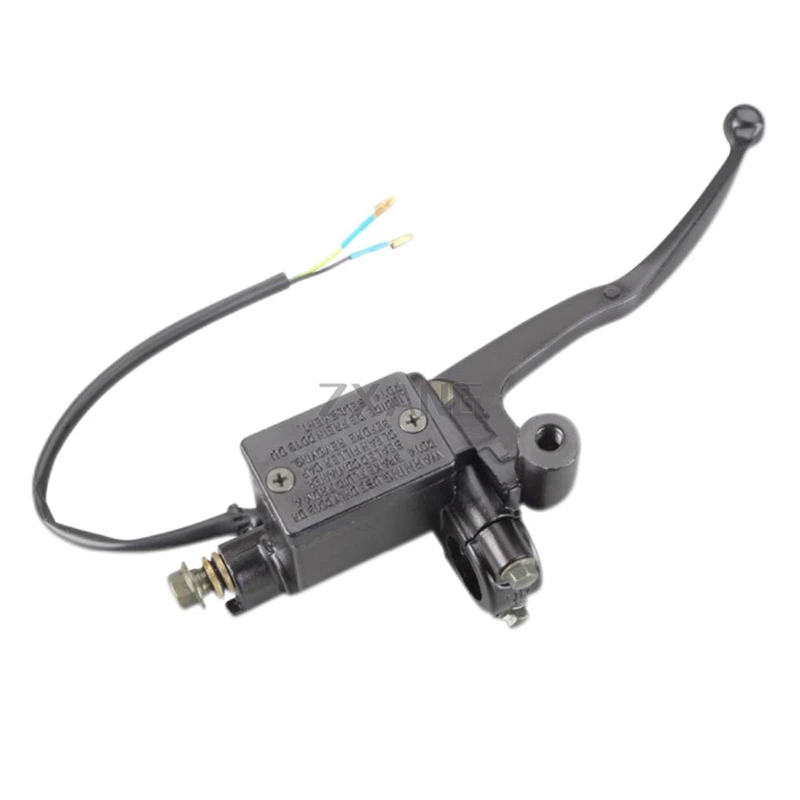

3. Brake Pad Material
Brake pads come in different materials, each with its own advantages and disadvantages. The most common types of brake pad materials are organic, semi-metallic, and ceramic.
- Organic Brake Pads: These are made from a mixture of organic materials such as rubber, glass, and resin. They're relatively quiet, produce less dust, and are gentle on the brake disc. However, they tend to wear out faster and may not be as effective in high-temperature situations.
- Semi-Metallic Brake Pads: These contain a mixture of metal fibers and organic materials. They offer better braking performance than organic pads, especially in high-temperature conditions. They're also more durable, but they can be a bit noisy and produce more dust.
- Ceramic Brake Pads: These are made from ceramic materials and are known for their excellent braking performance, low noise, and minimal dust production. They're also very durable, but they tend to be more expensive than the other types of brake pads.
When choosing brake pads, you need to consider your riding style and the type of motorcycle you have. For example, if you have a cruiser and you mostly ride in the city, organic brake pads might be a good choice. But if you have a sportbike and you like to go on long rides, ceramic brake pads might be worth the investment.
4. Brake Cylinder Size
The size of the brake cylinder is another important factor to consider. A larger brake cylinder will generate more hydraulic pressure, which means more braking force. However, a larger cylinder also requires more effort to operate the brake lever.
So, you need to find the right balance between braking force and ease of use. If you have a powerful motorcycle, you might need a larger brake cylinder to provide enough braking force. But if you have a smaller motorcycle or if you have weaker hands, a smaller brake cylinder might be more suitable.
For example, the Motorcycle Master Cylinder ZX-1063 is available in different sizes, allowing you to choose the one that best suits your needs.
How to Install Brake Pads and Brake Cylinders
Once you've chosen the right brake pads and brake cylinder for your motorcycle, it's time to install them. While it's possible to do it yourself if you have the right tools and experience, it's always a good idea to have a professional mechanic do the job.
Here are the general steps for installing brake pads and a brake cylinder:
- Prepare Your Motorcycle: Make sure your motorcycle is parked on a level surface and the engine is turned off. Remove the wheel and the brake caliper.
- Remove the Old Brake Pads: Use a pair of pliers to remove the retaining clips and the old brake pads from the caliper.
- Install the New Brake Pads: Insert the new brake pads into the caliper and secure them with the retaining clips.
- Install the New Brake Cylinder: If you're replacing the brake cylinder, remove the old one and install the new one. Make sure to connect the hydraulic lines properly and bleed the brake system to remove any air bubbles.
- Reassemble the Motorcycle: Put the brake caliper back on the wheel and reinstall the wheel on the motorcycle. Check the brake fluid level and top it up if necessary.
Testing Your Brakes
After installing the new brake pads and brake cylinder, it's important to test your brakes before you hit the road. Start by squeezing the brake lever a few times to make sure the brakes are working properly. Then, go for a short test ride in a safe area and test the brakes at different speeds.
If you notice any problems, such as a spongy brake lever or reduced braking performance, stop riding immediately and have your brakes checked by a professional.
Conclusion
Matching the right brake pads with your motorcycle brake cylinder is essential for safe and reliable braking. By considering factors such as your motorcycle type and model, riding style, brake pad material, and brake cylinder size, you can choose the components that best suit your needs.
If you're looking for high-quality brake cylinders and brake pads for your motorcycle, we're here to help. As a leading supplier of Brake Cylinder Motorcycle, we offer a wide range of products to meet the needs of different riders. Whether you're a beginner or an experienced rider, we have the right components for you.
So, if you're interested in purchasing brake cylinders or brake pads, feel free to contact us for more information and to discuss your specific requirements. We're always happy to help you find the perfect match for your motorcycle.
References
- Motorcycle Maintenance Manuals
- Online Motorcycle Forums
- Brake Pad and Brake Cylinder Manufacturer Websites


