


Hey there, fellow motorcycle enthusiasts! I'm a supplier of Brake Pump Motorcycle, and today I'm gonna walk you through the process of bleeding a motorcycle brake pump. It might sound a bit technical, but trust me, it's not as hard as it seems.
Why Bleeding Your Brake Pump is Crucial
First off, let's talk about why you need to bleed your brake pump in the first place. Over time, air can get into your brake lines. This air can compress, which means your brakes won't work as effectively as they should. When you squeeze the brake lever or press the brake pedal, you want an immediate and strong response. If there's air in the system, you'll notice a spongy feeling when you apply the brakes, and they might not stop your bike as quickly as they're supposed to. That's a major safety issue, so bleeding your brake pump regularly is a must.
Tools You'll Need
Before we get started, let's gather the tools you'll need for this job. You'll need a brake bleeder wrench, which is a special wrench designed to fit the bleeder valve on your brake caliper. You'll also need a clear plastic tube that fits over the bleeder valve, a container to catch the old brake fluid, and fresh brake fluid. Make sure you use the right type of brake fluid for your motorcycle. Check your owner's manual to find out what kind of fluid your bike requires.
Step-by-Step Guide to Bleeding Your Brake Pump
Step 1: Prepare Your Motorcycle
Park your motorcycle on a level surface and make sure it's stable. If you have a center stand, use it to keep the bike upright. You don't want the bike to tip over while you're working on the brakes.
Step 2: Locate the Bleeder Valve
The bleeder valve is usually located on the brake caliper. It's a small valve with a hexagonal head. On some motorcycles, you might have to remove a plastic cover to access the bleeder valve.

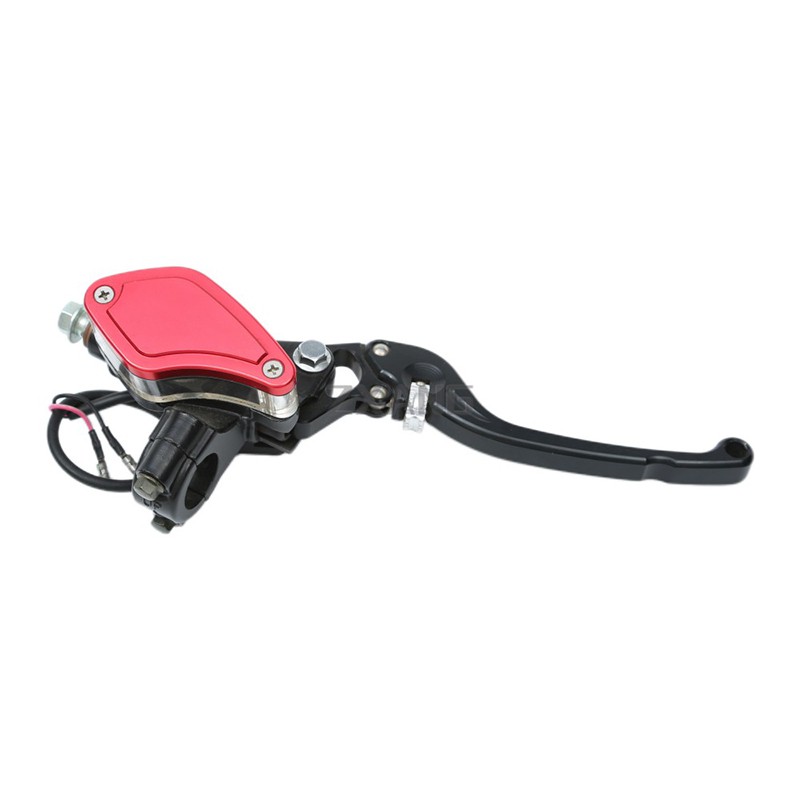
Step 3: Attach the Plastic Tube
Take the clear plastic tube and fit it over the bleeder valve. Make sure it fits snugly so that no air can get in. The other end of the tube should go into the container you're using to catch the old brake fluid.
Step 4: Open the Bleeder Valve
Use the brake bleeder wrench to loosen the bleeder valve. You don't need to remove it completely, just loosen it enough so that brake fluid can flow out.
Step 5: Pump the Brake Lever or Pedal
Now it's time to start pumping the brake lever or pedal. If you're working on the front brakes, pump the brake lever a few times. If you're working on the rear brakes, pump the brake pedal. As you pump, you'll see air bubbles and old brake fluid flowing through the plastic tube and into the container. Keep pumping until you don't see any more air bubbles in the fluid.
Step 6: Close the Bleeder Valve
Once you're satisfied that all the air has been removed from the brake lines, use the brake bleeder wrench to tighten the bleeder valve. Make sure it's tight, but don't over-tighten it.
Step 7: Check the Brake Fluid Level
Open the brake fluid reservoir and check the fluid level. If it's low, add fresh brake fluid until it reaches the recommended level. Make sure you don't spill any brake fluid on your motorcycle, as it can damage the paint and other components.
Step 8: Test Your Brakes
Before you take your motorcycle for a ride, test the brakes to make sure they're working properly. Squeeze the brake lever or press the brake pedal a few times to make sure they feel firm. If the brakes still feel spongy, you might need to repeat the bleeding process.
Our Brake Pump Products
As a Brake Pump Motorcycle supplier, we offer a wide range of high-quality brake pumps for different types of motorcycles. For example, our Sportbike Master Cylinder ZX - 1038 is designed for sportbikes and provides excellent braking performance. It's made from high-quality materials and is built to last.
If you're looking for a more versatile master cylinder, our Motorcycle Master Cylinder ZX - 1064 is a great choice. It's suitable for a variety of motorcycle models and offers reliable braking power.
And for those who need a specific brake cylinder, our Brake Cylinder Motorcycle ZX - 1012 is a top-notch option. It's engineered to meet the highest standards and will ensure your brakes work flawlessly.
Conclusion
Bleeding your motorcycle brake pump is an important maintenance task that can improve the safety and performance of your bike. By following these steps and using the right tools, you can do it yourself and save some money. And if you're in the market for a new brake pump, we've got you covered with our high-quality products.
If you're interested in purchasing our brake pump products or have any questions about them, don't hesitate to reach out. We're always happy to help you find the right brake pump for your motorcycle and answer any questions you might have. Let's keep your rides safe and enjoyable!
References
- Motorcycle owner's manuals
- Online motorcycle repair guides


