


Bleeding a motorcycle brake master cylinder is a crucial maintenance task that ensures optimal braking performance. As a supplier of high - quality Motorcycle Brake Master Cylinders, I understand the importance of this process and am here to guide you through it.
Why Bleeding is Necessary
Over time, air can enter the brake system of a motorcycle. Air is compressible, while brake fluid is not. When you press the brake lever or pedal, if there is air in the system, the lever or pedal will feel spongy, and the braking force will be significantly reduced. This can be extremely dangerous, especially when you need to make sudden stops. Bleeding the brake master cylinder removes the air bubbles from the system, restoring the proper hydraulic pressure and ensuring that your brakes work as they should.
Tools and Materials You'll Need
Before you start bleeding the brake master cylinder, gather the following tools and materials:
- Brake fluid: Make sure to use the type of brake fluid recommended by your motorcycle's manufacturer. Different motorcycles may require different types of brake fluid, such as DOT 3, DOT 4, or DOT 5.1.
- A clear plastic tube: This tube will be used to drain the old brake fluid and air from the system. The tube should fit snugly over the bleeder screw.
- A container: You'll need a container to catch the old brake fluid. Make sure the container is clean and has a wide opening.
- A wrench: You'll need a wrench to loosen and tighten the bleeder screw. Make sure the wrench fits the bleeder screw properly.
- A helper: It's much easier to bleed the brakes with a helper. The helper can operate the brake lever or pedal while you work on the bleeder screw.
Step - by - Step Guide to Bleeding a Motorcycle Brake Master Cylinder
Step 1: Prepare the Motorcycle
Park your motorcycle on a level surface and make sure it is stable. If your motorcycle has a side stand, use a center stand if possible to keep the bike upright. Locate the brake master cylinder. On most motorcycles, the front brake master cylinder is located on the handlebars, while the rear brake master cylinder is located near the footrest.
Step 2: Check the Brake Fluid Level
Remove the cap from the brake master cylinder reservoir and check the fluid level. If the fluid level is low, add the recommended brake fluid until it reaches the "Full" mark. Be careful not to overfill the reservoir.
Step 3: Locate the Bleeder Screw
The bleeder screw is usually located on the caliper or the brake line near the caliper. It is a small screw with a hexagonal head. Clean the area around the bleeder screw to prevent dirt and debris from entering the system when you open the screw.
Step 4: Attach the Plastic Tube
Slip one end of the clear plastic tube over the bleeder screw. Make sure the tube fits tightly to prevent any air from entering the system. Place the other end of the tube into the container.
Step 5: Bleed the Brakes
Have your helper slowly squeeze the brake lever or pedal and hold it down. While the lever or pedal is held down, use the wrench to loosen the bleeder screw about a quarter - turn. You should see old brake fluid and air bubbles flowing through the tube into the container. Once the flow of fluid slows down, tighten the bleeder screw.
Step 6: Repeat the Process
Have your helper release the brake lever or pedal slowly. Then, repeat steps 5 several times until you no longer see air bubbles in the fluid flowing through the tube. Keep an eye on the fluid level in the master cylinder reservoir and add more brake fluid as needed to prevent the reservoir from running dry.
Step 7: Check the Brakes
After you have finished bleeding the brakes, have your helper squeeze the brake lever or pedal a few times to build up the pressure in the system. Check the feel of the lever or pedal. It should feel firm and responsive. If the lever or pedal still feels spongy, you may need to repeat the bleeding process.
Step 8: Tighten the Bleeder Screw
Once you are satisfied with the feel of the brakes, use the wrench to tighten the bleeder screw securely. Make sure not to overtighten the screw, as this can damage the bleeder screw or the caliper.
Step 9: Clean Up
Remove the plastic tube from the bleeder screw and the container. Wipe up any spilled brake fluid with a clean cloth. Replace the cap on the brake master cylinder reservoir.
Tips and Precautions
- Safety first: Brake fluid is corrosive and can damage your skin, eyes, and painted surfaces. Wear gloves and safety glasses when working with brake fluid. If brake fluid comes into contact with your skin or eyes, rinse it off immediately with plenty of water and seek medical attention if necessary.
- Use the right fluid: Always use the type of brake fluid recommended by your motorcycle's manufacturer. Using the wrong type of brake fluid can damage the brake system.
- Keep the system clean: Make sure the brake master cylinder reservoir and the bleeder screw are clean before you start bleeding the brakes. Dirt and debris can enter the system and cause problems.
- Dispose of brake fluid properly: Brake fluid is a hazardous waste and should be disposed of properly. Do not pour brake fluid down the drain or into the environment.
Our High - Quality Products
As a leading supplier of Motorcycle Brake Master Cylinders, we offer a wide range of products to meet your needs. Our Brake Cylinder Motorcycle is designed with precision and built to last. It provides reliable braking performance and is suitable for various motorcycle models.
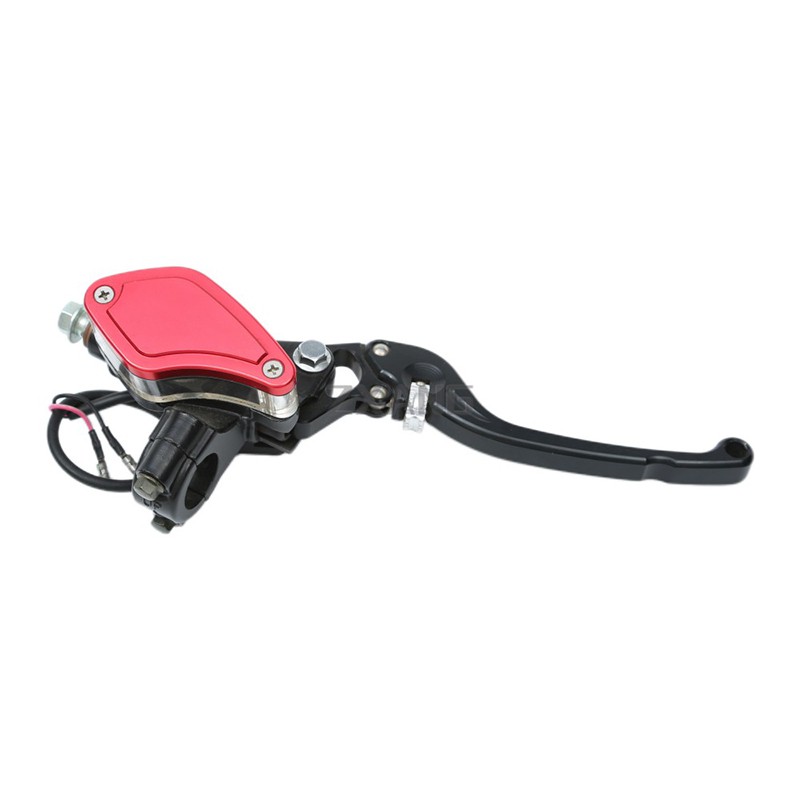

Our Motorbike Brake Master Cylinder is another excellent option. It is engineered to deliver smooth and consistent braking power, ensuring your safety on the road.
If you are looking for a high - performance Motorcycle Master, we have the perfect solution for you. Our products are made from high - quality materials and undergo strict quality control to ensure they meet the highest standards.
Contact Us for Procurement
If you are interested in our Motorcycle Brake Master Cylinders, we invite you to contact us for procurement. Our team of experts is ready to assist you with any questions you may have and to help you find the right product for your motorcycle. We offer competitive prices, excellent customer service, and fast delivery. Don't compromise on the safety and performance of your motorcycle's brakes. Choose our products and experience the difference.
References
- Motorcycle Repair Manuals: Most motorcycle manufacturers provide detailed repair manuals that include information on bleeding the brake master cylinder.
- Online Motorcycle Forums: There are many online forums where motorcycle enthusiasts share their experiences and tips on motorcycle maintenance, including bleeding the brakes.


