


The braking system is one of the most critical components in motocross, where split - second decisions and precise control can mean the difference between victory and defeat. Among the various elements of the braking system, the front brake master cylinder plays a pivotal role. In this blog, we'll explore how the stroke of a motocross front brake master cylinder affects the braking feel, and as a supplier of Motocross Front Brake Master Cylinders, we'll share some in - depth insights.
Understanding the Basics of a Motocross Front Brake Master Cylinder
Before delving into the impact of stroke on braking feel, it's essential to understand what a front brake master cylinder does. The master cylinder is a hydraulic pump that converts the mechanical force applied by the rider's hand on the brake lever into hydraulic pressure. This pressure is then transmitted through the brake lines to the calipers, which squeeze the brake pads against the brake disc, ultimately slowing down or stopping the motorcycle.
The stroke of the master cylinder refers to the distance the piston inside the cylinder travels when the brake lever is pulled. It is directly related to the volume of brake fluid that is displaced and sent to the calipers.
How Stroke Affects Braking Feel
Initial Bite
The initial bite is the first sense of braking force that the rider feels when they start to pull the brake lever. A shorter stroke in the master cylinder can result in a more immediate initial bite. When the piston travels a shorter distance, it can quickly build up hydraulic pressure. This means that the calipers start to squeeze the brake pads against the disc almost as soon as the lever is pulled. For riders who prefer a sharp and responsive braking feel right from the start, a master cylinder with a shorter stroke can be a great choice. For example, in situations where a sudden stop is required, such as when approaching a tight corner unexpectedly, a short - stroke master cylinder allows the rider to get maximum braking force quickly.
On the other hand, a longer stroke master cylinder may have a more gradual initial bite. The piston has to travel a greater distance before it displaces enough fluid to generate significant pressure in the calipers. This can give the rider more control over the initial application of the brakes, especially in situations where a smooth and progressive braking force is needed, like when riding on slippery or loose surfaces.
Progressive Braking
Progressive braking is the ability to increase the braking force smoothly as the rider continues to pull the brake lever. A master cylinder with a well - designed stroke can provide excellent progressive braking characteristics.
If the stroke is too short, the braking force may reach its maximum too quickly. Once the maximum pressure is reached, further pulling of the brake lever won't result in a significant increase in braking force. This can make it difficult for the rider to fine - tune the braking force, especially in situations where a variable amount of braking is required, such as during a long downhill section.
Conversely, a longer stroke allows for a more gradual increase in braking force. As the piston travels further, more fluid is displaced, and the pressure in the calipers increases steadily. This gives the rider more control over the braking process, allowing them to adjust the braking force according to the specific riding conditions.
Lever Travel and Effort
The stroke of the master cylinder also affects the lever travel and the effort required to operate the brakes. A shorter stroke generally means less lever travel. The rider doesn't have to pull the lever as far to achieve a certain level of braking force. However, this may also require more force to be applied to the lever, as the piston has to generate a relatively high pressure in a short distance.
A longer stroke, on the other hand, results in more lever travel. The rider has to pull the lever further, but the effort required may be less because the pressure is built up more gradually over a longer distance. Some riders prefer a longer lever travel and lower effort, as it can be less fatiguing during long rides or extended periods of heavy braking, such as in a motocross race.
Our Product Range and the Importance of Stroke
As a supplier of Motocross Front Brake Master Cylinders, we offer a diverse range of products to meet the different needs of riders. For example, our Motorcycle Master Cylinder ZX - 1063 has been specifically designed with a shorter stroke for riders who demand an immediate and aggressive initial bite. It is ideal for high - speed racing situations where quick stops are crucial.
Our Motorcycle Brake Cylinder features a longer stroke, providing a more progressive braking feel. This makes it suitable for riders who need more control over their braking, especially in challenging off - road conditions.

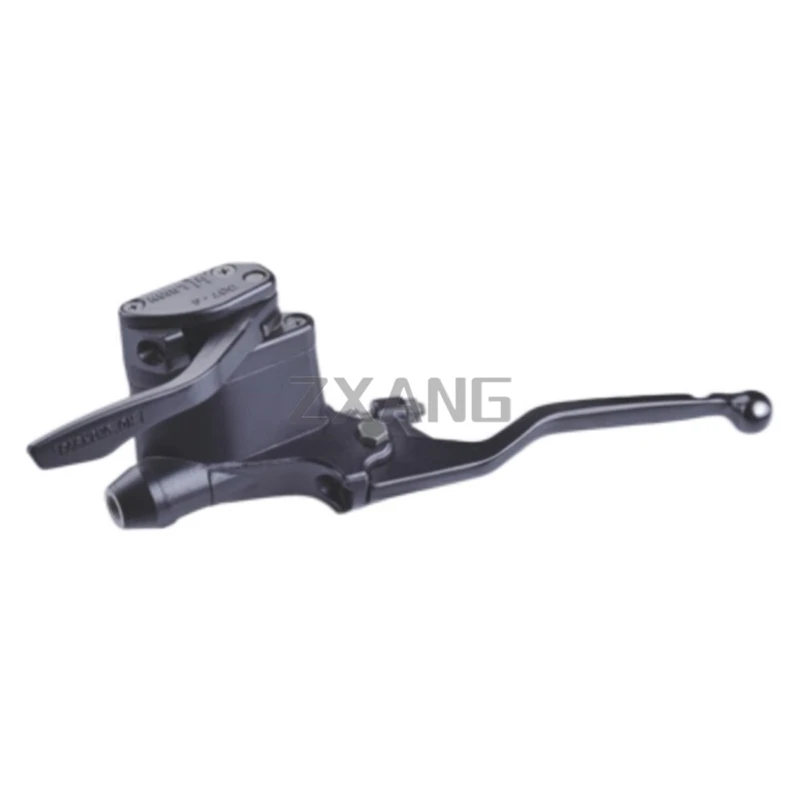
The Motorcycle Master Cylinder strikes a balance between the two, offering a combination of good initial bite and progressive braking characteristics. It is a versatile option that can be used in a wide variety of riding scenarios.
Choosing the Right Stroke for Your Riding Style
When choosing a motocross front brake master cylinder, it's important to consider your riding style. If you're an aggressive rider who likes to enter corners at high speeds and needs to brake hard and fast, a shorter - stroke master cylinder may be the best choice for you. On the other hand, if you prefer a more conservative riding style, or if you often ride on rough or unpredictable terrain, a longer - stroke master cylinder will give you more control over your braking.
It's also worth noting that the choice of master cylinder stroke should be complemented by other components of the braking system, such as the brake pads, discs, and calipers. All these elements work together to provide the overall braking performance.
Contact Us for Procurement
If you're interested in our Motocross Front Brake Master Cylinders and want to learn more about how the stroke can enhance your braking experience, we encourage you to contact us. We have a team of experts who can help you select the right product based on your specific needs and riding style. Whether you're a professional motocross racer or an amateur enthusiast, we're committed to providing you with high - quality products and excellent customer service.
References
- "Motorcycle Chassis Design: The Art and Science" by Tony Foale
- "Motorcycle Performance Handbook" by Kevin Cameron


