


Bleeding a motorcycle master cylinder is a crucial maintenance task that ensures optimal braking performance. However, one common challenge that riders and mechanics often face is preventing air from getting back into the master cylinder after bleeding. As a leading supplier of bleeding motorcycle master cylinders, I understand the importance of this issue and have gathered valuable insights and techniques to share with you.
Understanding the Problem
Before we delve into the solutions, it's essential to understand why air can re - enter the master cylinder after bleeding. When you bleed a master cylinder, you're removing air bubbles from the brake lines and the cylinder itself. Air can re - enter due to several reasons. Loose fittings, improper bleeding procedures, or a damaged seal can all allow air to seep back in. Over time, vibrations from the motorcycle's movement can also cause air pockets to form, especially if the brake fluid level is low.
Proper Bleeding Procedures
The first step in preventing air from re - entering the master cylinder is to ensure that the bleeding process is done correctly. Here's a step - by - step guide:
- Gather the necessary tools: You'll need a brake bleeder kit, fresh brake fluid, a container to catch the old fluid, and a wrench to open the bleeder valve.
- Locate the bleeder valve: This is usually located on the caliper or the wheel cylinder. Make sure it's clean before you start.
- Fill the master cylinder: Use fresh brake fluid to fill the master cylinder to the recommended level. This helps to prevent air from being sucked in during the bleeding process.
- Open the bleeder valve: Slowly open the bleeder valve and have an assistant gently pump the brake lever or pedal. As the fluid is pushed out, air bubbles will also be expelled.
- Close the bleeder valve: Once the fluid coming out is free of air bubbles, close the bleeder valve tightly.
It's important to note that you should repeat this process several times to ensure that all the air is removed from the system.
Checking and Tightening Fittings
After bleeding, carefully check all the fittings in the brake system. Loose fittings are a common cause of air re - entry. Use a wrench to tighten any loose nuts or bolts, but be careful not to over - tighten them as this can damage the fittings. Pay special attention to the connections between the master cylinder, the brake lines, and the calipers.
Maintaining the Brake Fluid Level
A low brake fluid level can also allow air to enter the master cylinder. Regularly check the brake fluid level in the master cylinder and top it up as needed. Make sure to use the same type of brake fluid recommended by the motorcycle manufacturer.
Using High - Quality Seals
The seals in the master cylinder play a vital role in preventing air from entering. As a supplier, I recommend using high - quality seals that are designed to withstand the pressure and temperature changes in the brake system. Worn or damaged seals should be replaced immediately.
Our Product Recommendations
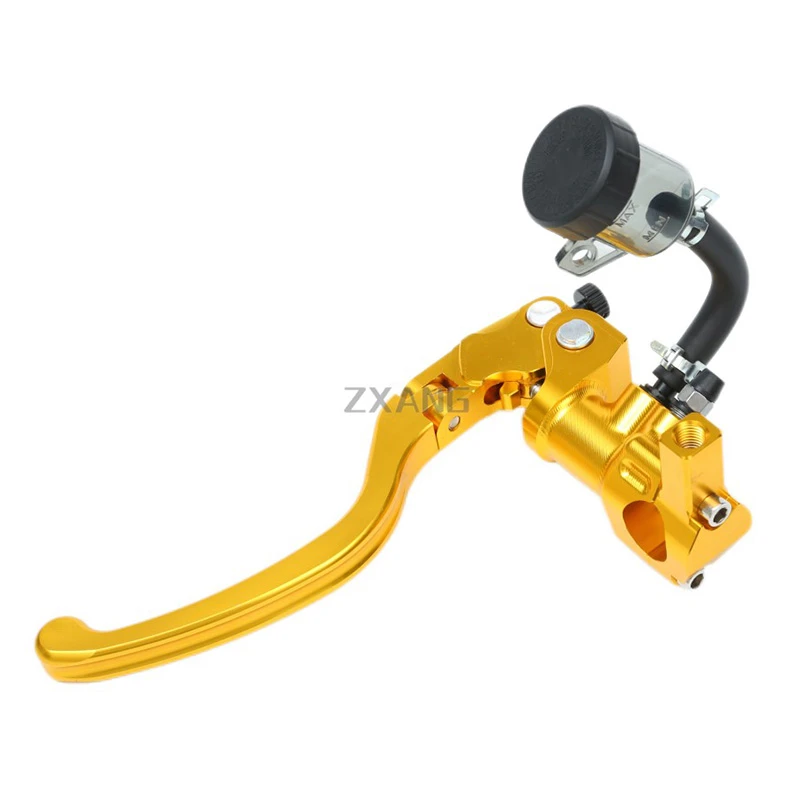
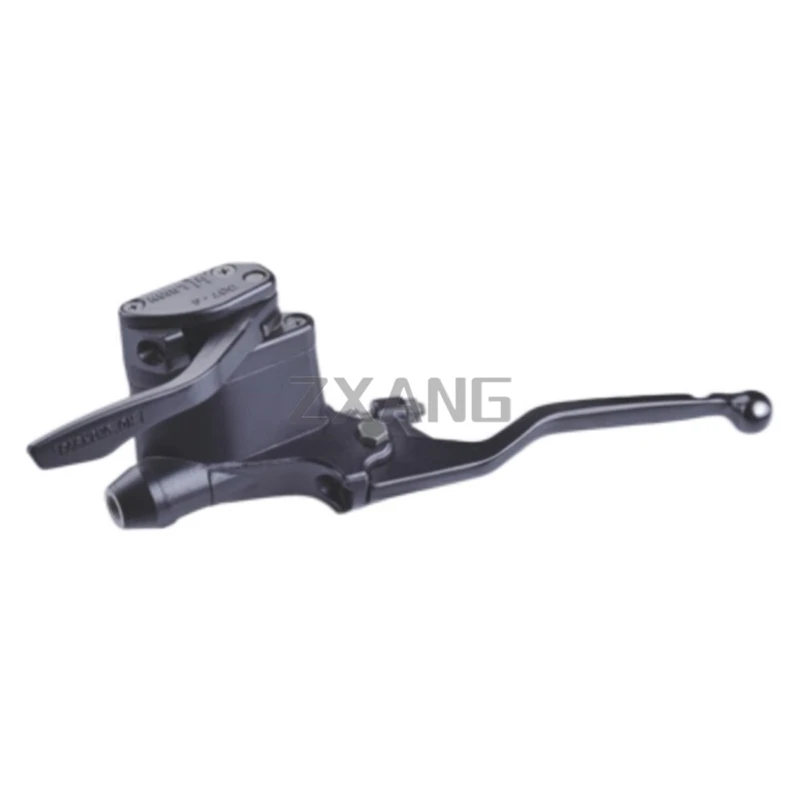
At our company, we offer a range of high - quality motorcycle master cylinders that are designed to minimize the risk of air re - entry. For example, our Motorcycle Master Cylinder ZX - 1065 is engineered with precision to ensure a tight seal and efficient bleeding. It's made from durable materials that can withstand the rigors of daily use.
Another great option is our Motorbike Front Brake Master Cylinder ZX - 1021. This master cylinder is built for high - performance motorcycles and features advanced technology to prevent air from getting back into the system.
If you're looking for the best overall option, our Best Motorcycle Master Cylinder ZX - 1009 is the way to go. It combines reliability, performance, and ease of bleeding.
Conclusion
Preventing air from getting back into the motorcycle master cylinder after bleeding is essential for maintaining safe and efficient braking. By following the proper bleeding procedures, checking and tightening fittings, maintaining the brake fluid level, and using high - quality seals and products, you can significantly reduce the risk of air re - entry.
As a supplier of bleeding motorcycle master cylinders, we're committed to providing you with the best products and solutions. If you have any questions or are interested in purchasing our products, please don't hesitate to contact us for a procurement discussion. We're here to help you keep your motorcycle's braking system in top condition.
References
- "Motorcycle Maintenance Handbook" by the Motorcycle Mechanics Institute
- "Brake System Basics" by the Society of Automotive Engineers


