


Hey there, fellow motorcycle enthusiasts! I'm stoked to share with you all the ins and outs of preparing your motorcycle for bleeding the master cylinder. As a supplier of Bleeding Motorcycle Master Cylinders, I've seen it all and I'm here to make sure you're well-equipped with the knowledge you need to get the job done right.
First things first, let's talk about why bleeding the master cylinder is so important. Over time, air can get into the brake lines, which can lead to a spongy brake feel and reduced braking performance. Bleeding the master cylinder helps to remove that air and ensure that your brakes are working at their best. It's a crucial maintenance task that every motorcycle owner should know how to do.
Gather Your Tools
Before you start the bleeding process, you'll need to gather a few tools. Here's what you'll need:
- Brake fluid: Make sure you use the right type of brake fluid for your motorcycle. Check your owner's manual for the specific requirements.
- Brake bleeder kit: You can find these at most auto parts stores. They usually come with a clear tube and a reservoir to catch the old brake fluid.
- Wrenches: You'll need a wrench to loosen the bleeder valve on the master cylinder.
- Rags: To clean up any spills and keep your work area tidy.
Check the Master Cylinder
Once you have your tools ready, it's time to check the master cylinder. Start by removing the cap and checking the fluid level. If the fluid is low, you'll need to add some before you start bleeding. Make sure you use the same type of brake fluid that's already in the system.
While you're checking the fluid level, take a look at the condition of the master cylinder. Look for any signs of leaks or damage. If you notice any issues, it's a good idea to replace the master cylinder before you start bleeding. You can find high-quality master cylinders on our website, including the Sportbike Master Cylinder and the Brake Cylinder Motorcycle.
Prepare the Brake Lines
Before you start bleeding the master cylinder, you'll need to prepare the brake lines. Start by loosening the bleeder valve on the master cylinder. This will allow air to escape from the system. Make sure you have a rag handy to catch any fluid that may spill out.
Next, attach the brake bleeder kit to the bleeder valve. Make sure the tube is securely attached and that the reservoir is in a position where it can catch the old brake fluid. You may need to use a wrench to tighten the connection.
Bleed the Master Cylinder
Now it's time to start bleeding the master cylinder. Have a friend or family member help you with this step. They'll need to sit on the motorcycle and operate the brake lever while you bleed the system.
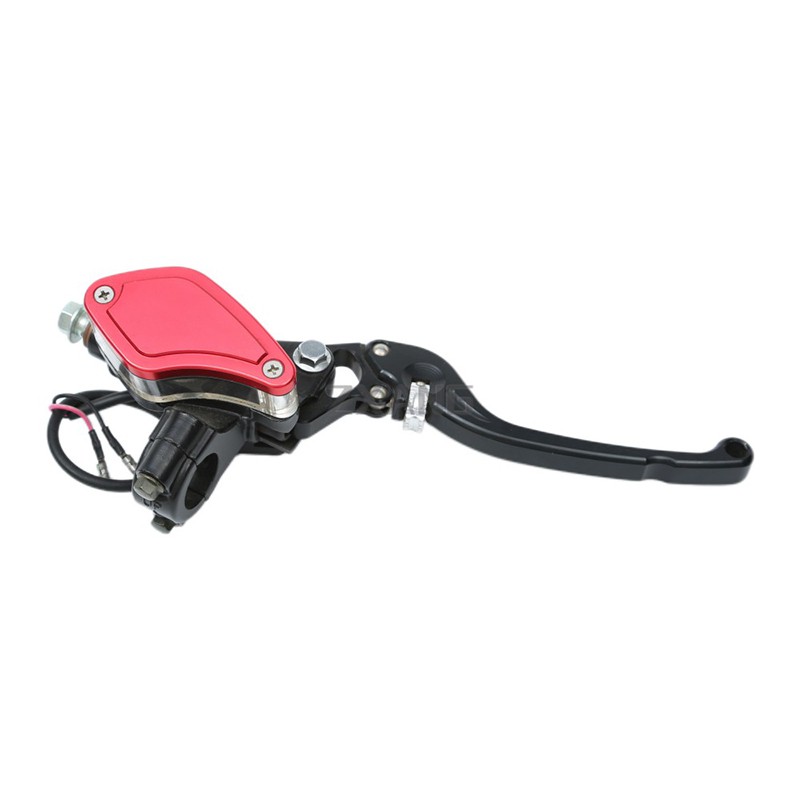

Start by having your helper slowly squeeze the brake lever. As they do this, you'll see air bubbles and old brake fluid coming out of the tube. Keep squeezing the lever until you no longer see any air bubbles. This may take a few tries.
Once you're satisfied that all the air has been removed from the system, have your helper hold the brake lever down while you tighten the bleeder valve. Make sure you don't overtighten it, as this can damage the valve.
Check the Brake Fluid Level
After you've finished bleeding the master cylinder, check the fluid level again. You may need to add some more brake fluid to bring it up to the proper level. Make sure you use the same type of brake fluid that's already in the system.
Test the Brakes
Once you've added the brake fluid, it's time to test the brakes. Have your helper sit on the motorcycle and operate the brake lever. Make sure the brakes feel firm and responsive. If the brakes still feel spongy, you may need to repeat the bleeding process.
Conclusion
Bleeding the master cylinder is an important maintenance task that every motorcycle owner should know how to do. By following these steps, you can ensure that your brakes are working at their best and that you're riding safely.
If you're in the market for a new master cylinder, we've got you covered. We offer a wide range of high-quality master cylinders, including the Best Motorcycle Master Cylinder. Our products are designed to meet the needs of every rider, from beginners to experienced professionals.
If you have any questions or would like to learn more about our products, please don't hesitate to contact us. We're here to help you find the right master cylinder for your motorcycle and to provide you with the support you need to keep your bike running smoothly.
References
- Motorcycle owner's manual
- Auto parts store guides on brake bleeding


